Home › Countries of the world › Europe
Countries in Europe: flags, capitals and fun facts
GeoSilhueta has 44 countries in Europe. The largest by area is Russia (17,098,246 km²) and the smallest is Vatican City (0.44 km²). See each flag and capital, a fun fact, and open the page with the silhouette.
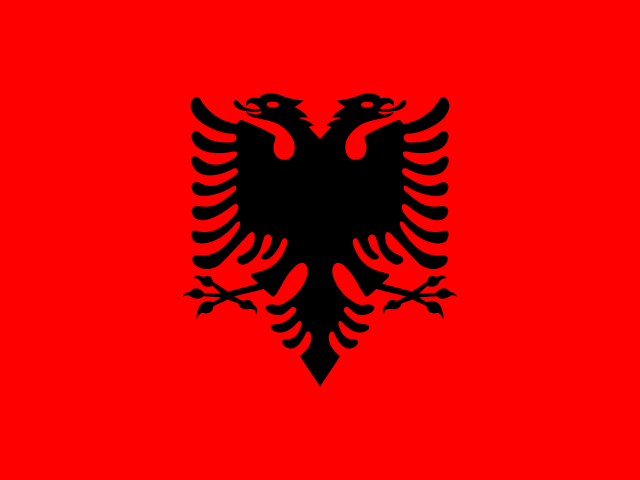 Albania — capital: Tirana
The Enver Hoxha regime built about 170,000 concrete bunkers, which still dot the Albanian landscape.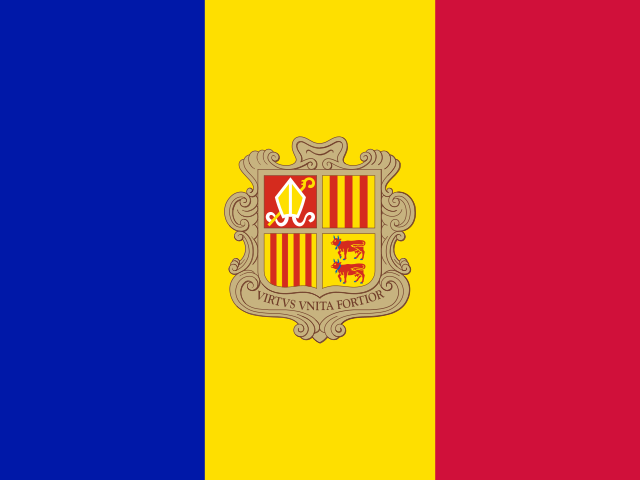 Andorra — capital: Andorra la Vella
The bishop of Urgell and the president of France are, at the same time, Andorra's co-princes.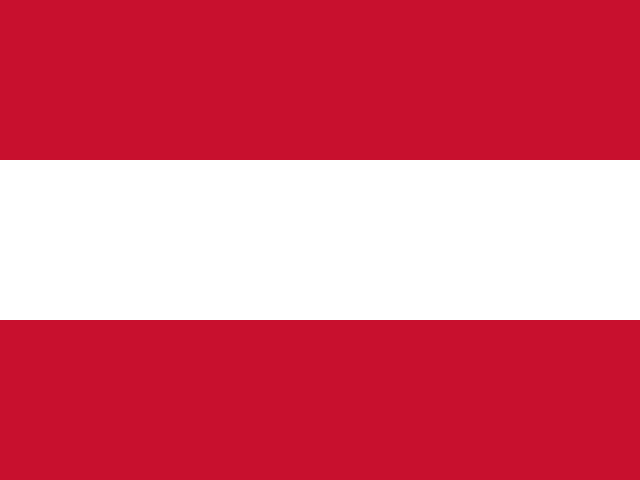
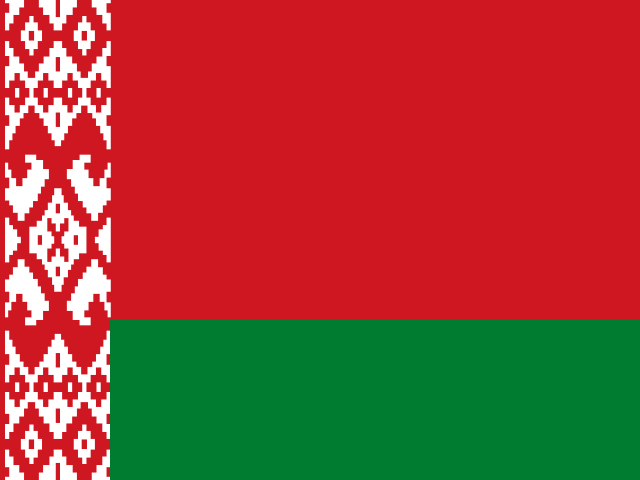 Belarus — capital: Minsk
Białowieża Forest, shared with Poland, shelters the European bison, the continent's largest land mammal.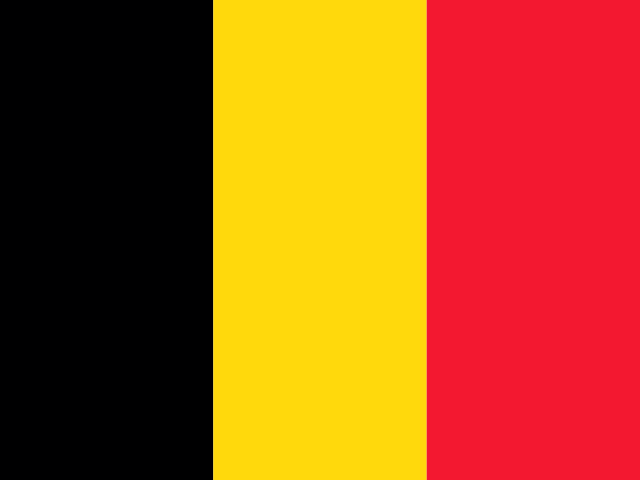 Belgium — capital: Brussels
In Brussels, the Manneken Pis statue of a little boy is dressed in different costumes throughout the year.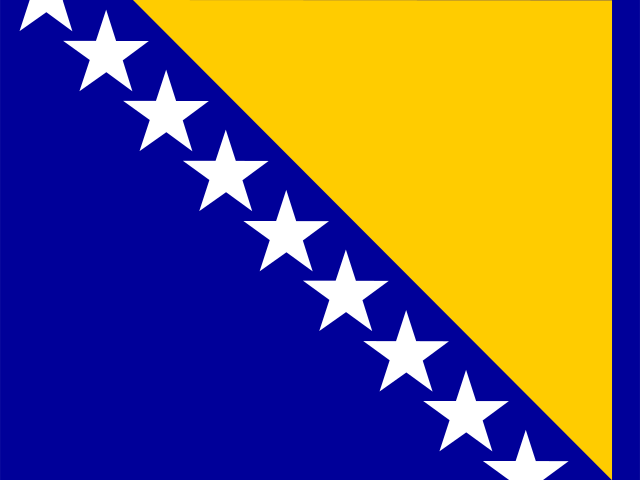 Bosnia and Herzegovina — capital: Sarajevo
Mostar's sixteenth-century Old Bridge was destroyed in 1993 and rebuilt in 2004 using original stones.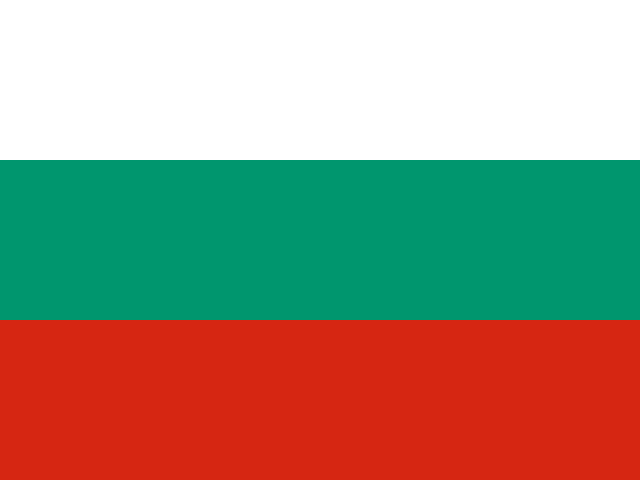 Bulgaria — capital: Sofia
The yogurt bacterium Lactobacillus bulgaricus was identified in 1905 by the Bulgarian doctor Stamen Grigorov.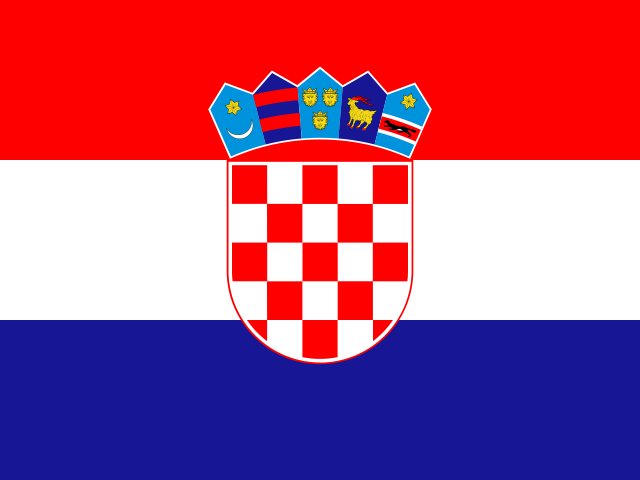 Croatia — capital: Zagreb
The necktie traces back to scarves worn by Croatian soldiers, and 'cravat' comes from 'Hrvat', meaning Croat.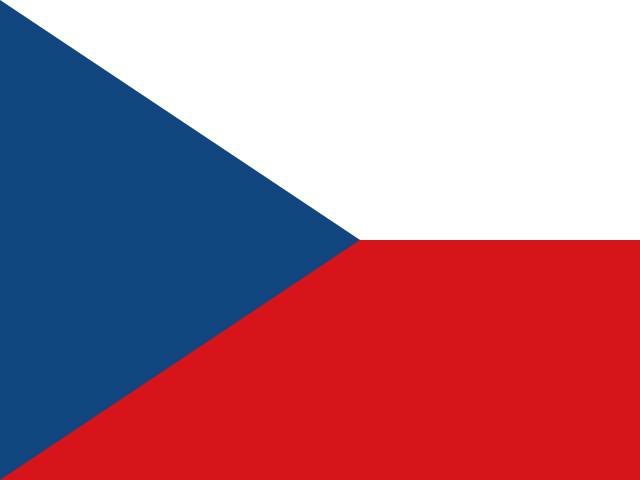 Czechia — capital: Prague
The word robot first appeared in R.U.R., a 1920 play by Czech writer Karel Čapek.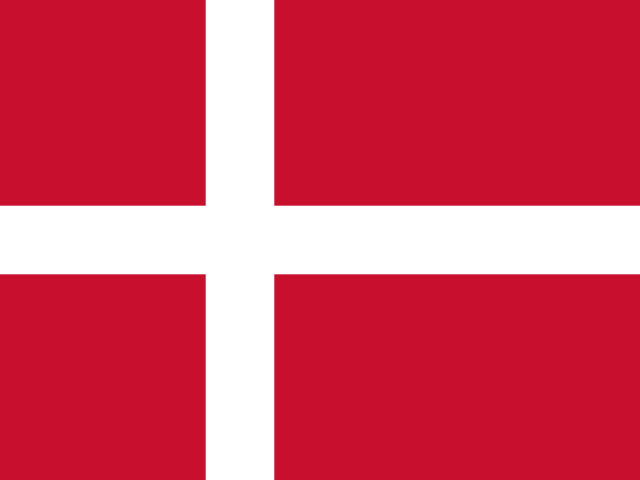 Denmark — capital: Copenhagen
The name Lego comes from the Danish phrase leg godt, meaning play well.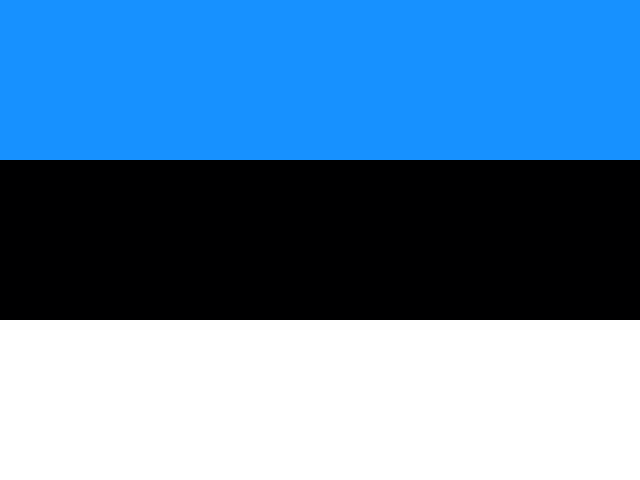 Estonia — capital: Tallinn
Skype was created by Estonian developers, who also helped make the country a pioneer in digital services.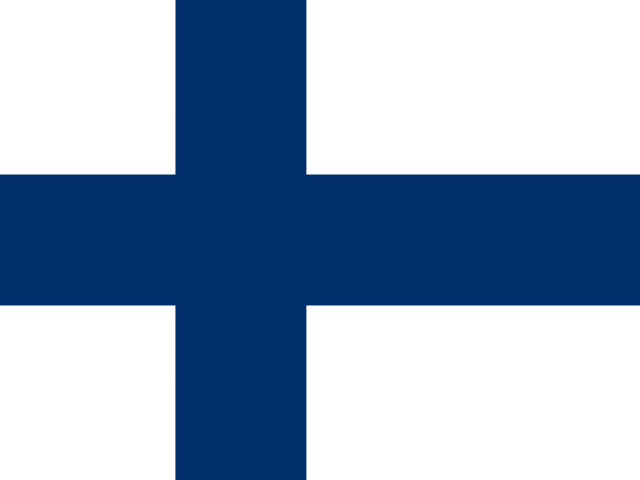 Finland — capital: Helsinki
The sauna is so central to Finnish culture that the Finnish word has been adopted by many languages. France — capital: Paris
The Eiffel Tower was built for the 1889 World's Fair and can grow several centimeters in summer heat. Germany — capital: Berlin
The Danube rises in the Black Forest and flows through ten countries before reaching the Black Sea.
 Hungary — capital: Budapest
The Rubik's Cube was invented in 1974 by Hungarian architecture professor Ernő Rubik.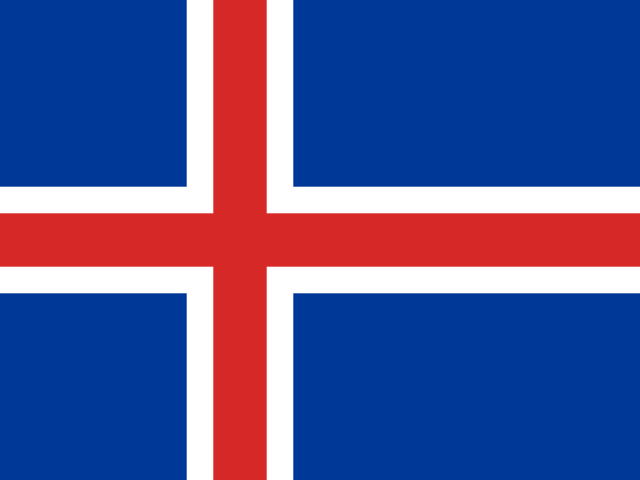 Iceland — capital: Reykjavík
Iceland sits on the Mid-Atlantic Ridge, where the North American and Eurasian plates drift apart.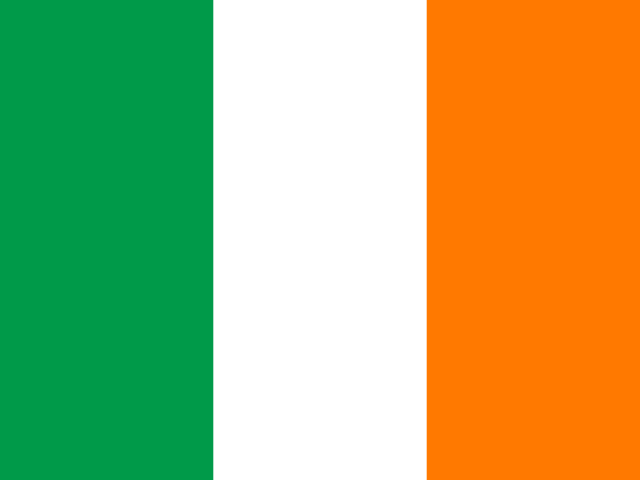 Ireland — capital: Dublin
The harp is the country's official emblem, the only national symbol in the world that is a musical instrument.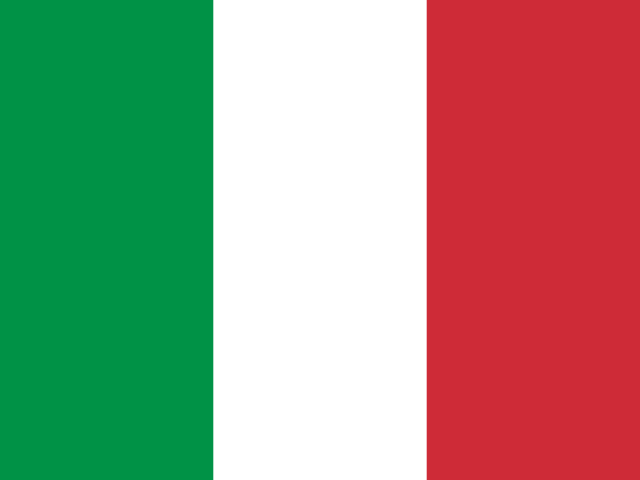 Italy — capital: Rome
Italy is home to Rome's Colosseum, an amphitheater about 2,000 years old that held tens of thousands of people.
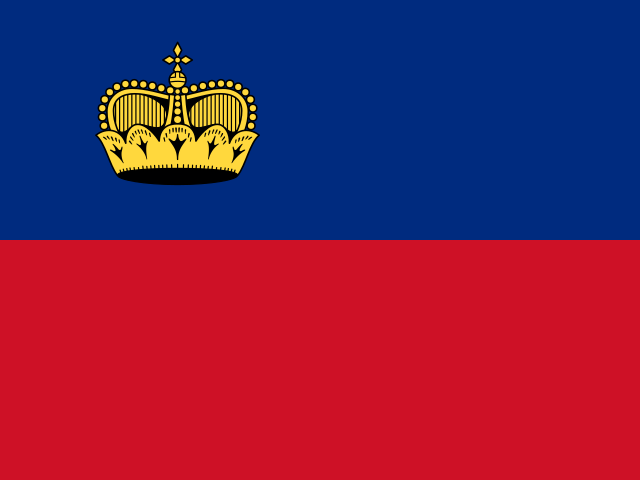 Liechtenstein — capital: Vaduz
Liechtenstein is one of the few doubly landlocked countries: reaching the sea means crossing two borders.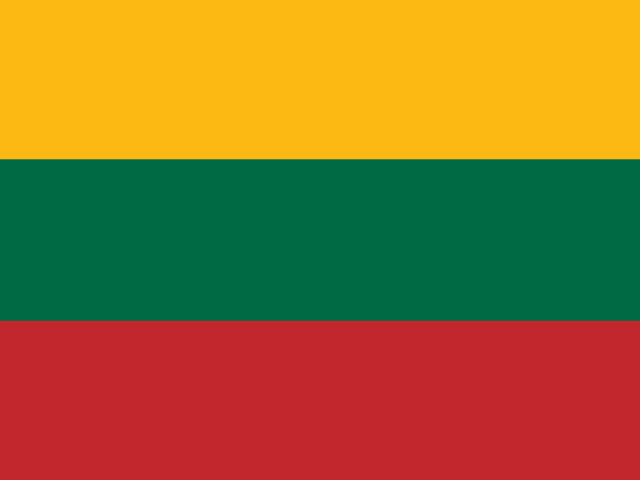 Lithuania — capital: Vilnius
The Hill of Crosses near Šiauliai holds hundreds of thousands of crosses left by pilgrims.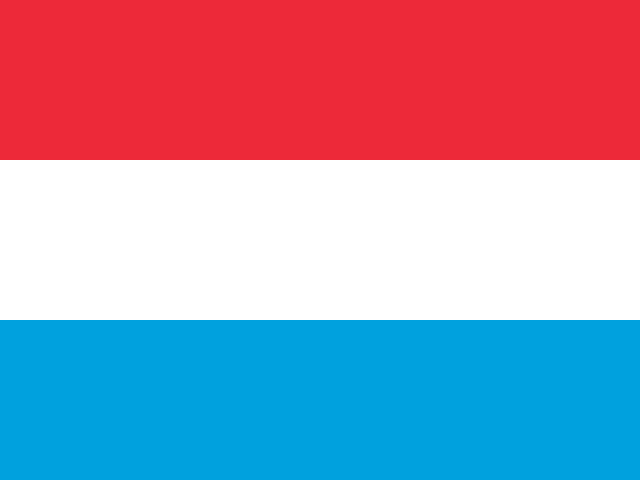 Luxembourg — capital: Luxembourg City
It is the world's only sovereign grand duchy, ruled by a grand duke.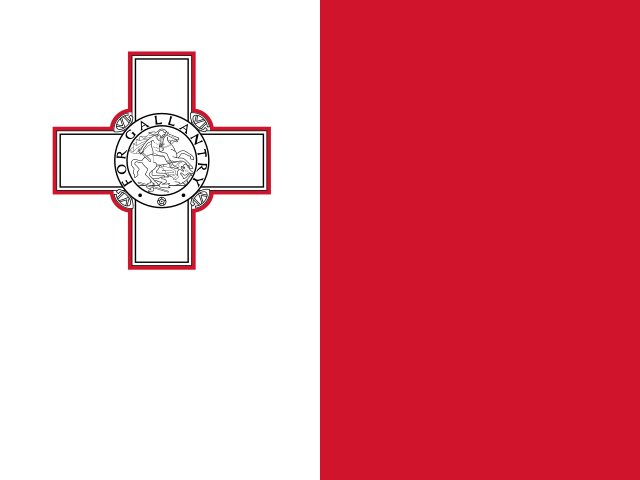 Malta — capital: Valletta
Malta has some of the world's oldest stone temples, such as Ġgantija, older than Egypt's pyramids.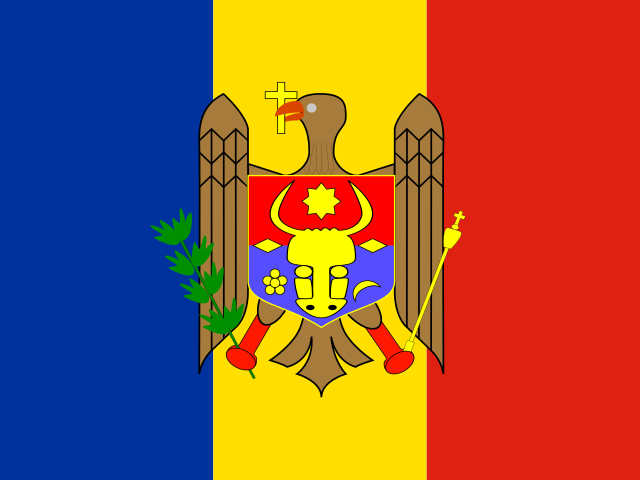 Moldova — capital: Chișinău
The Mileștii Mici winery stores millions of bottles in underground galleries stretching about 200 km.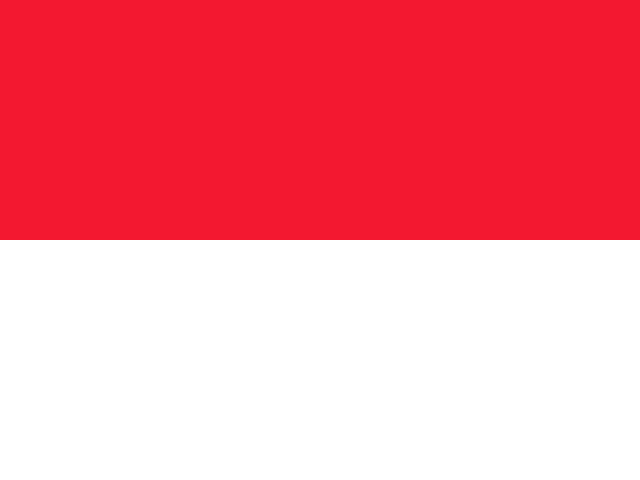 Monaco — capital: Monaco
At about 2 km², Monaco is the world's second-smallest country, after the Vatican.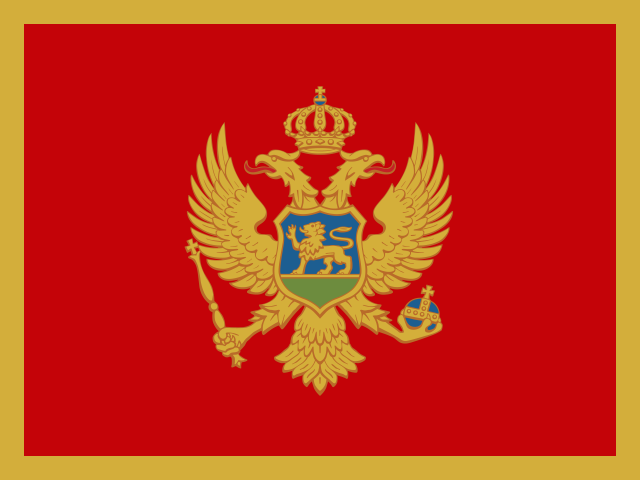 Montenegro — capital: Podgorica
The name Montenegro means Black Mountain, after the dark forests of Mount Lovćen.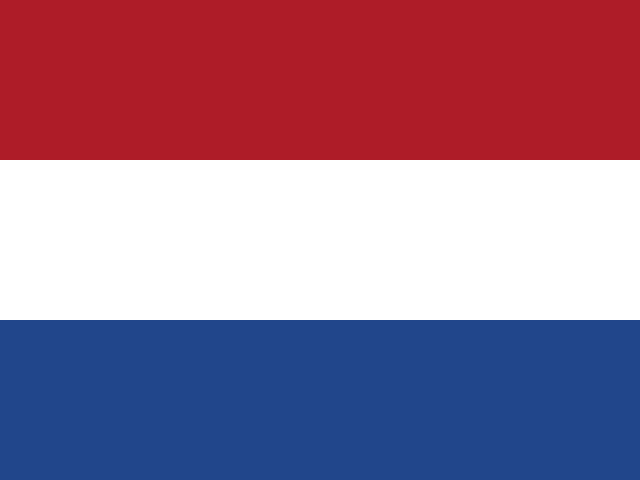 Netherlands — capital: Amsterdam
About a quarter of the country lies below sea level, protected by dikes and polders.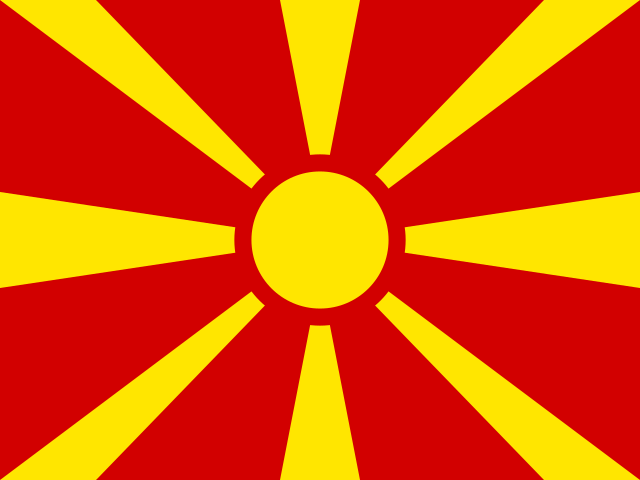 North Macedonia — capital: Skopje
Lake Ohrid, shared with Albania, is one of Europe's oldest lakes and a World Heritage Site.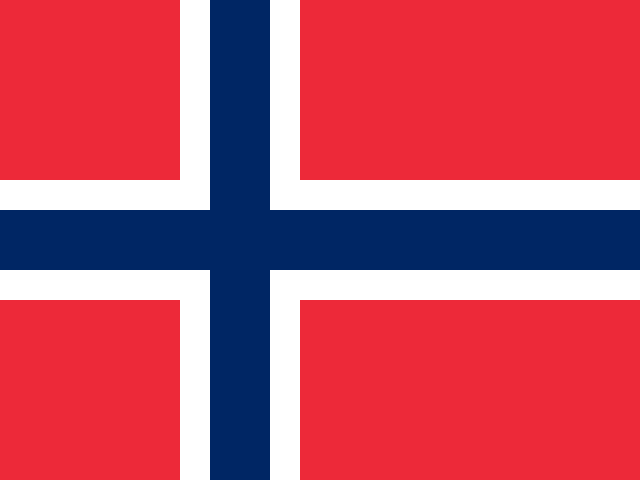 Norway — capital: Oslo
Norway's fjords, such as Geiranger and Nærøyfjord, were carved out by glaciers.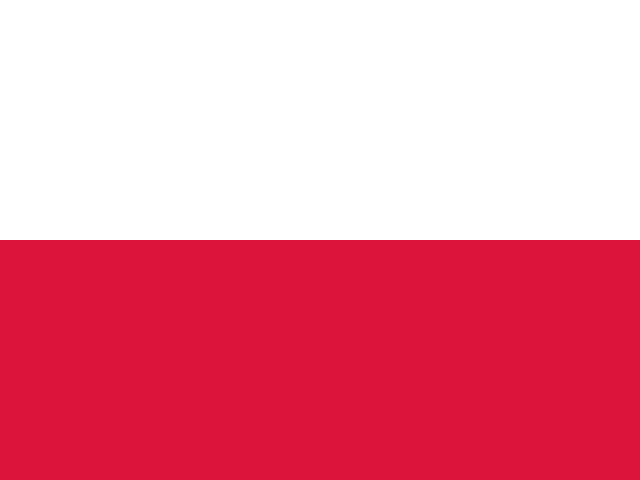 Poland — capital: Warsaw
The Wieliczka Salt Mine, near Kraków, has chapels and sculptures carved entirely out of salt.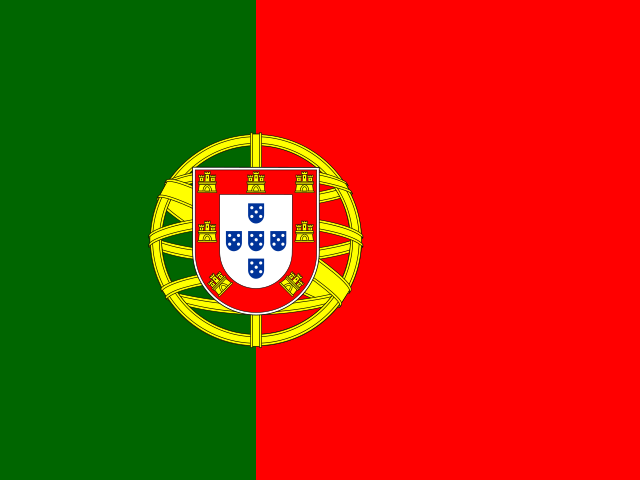 Portugal — capital: Lisbon
The border with Spain is one of the oldest in Europe and has barely changed since the 13th century.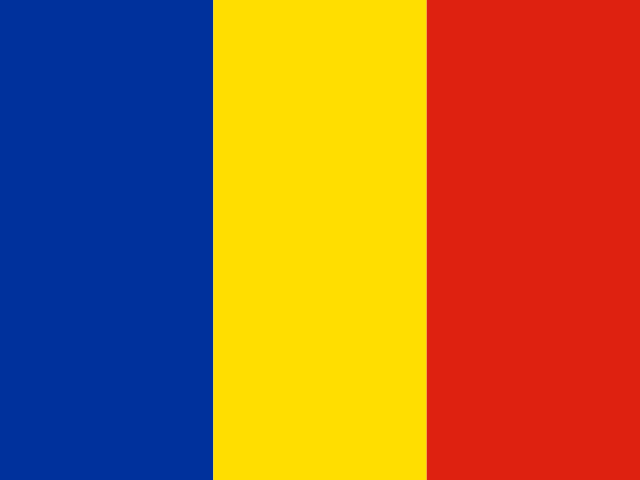 Romania — capital: Bucharest
Romania's Danube Delta is one of Europe's best-preserved deltas and shelters thousands of birds.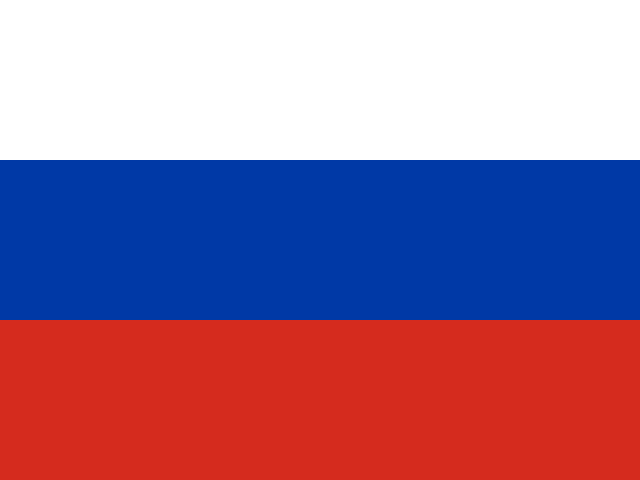 Russia — capital: Moscow
Lake Baikal in Siberia is the deepest lake on Earth and holds about a fifth of its liquid surface fresh water.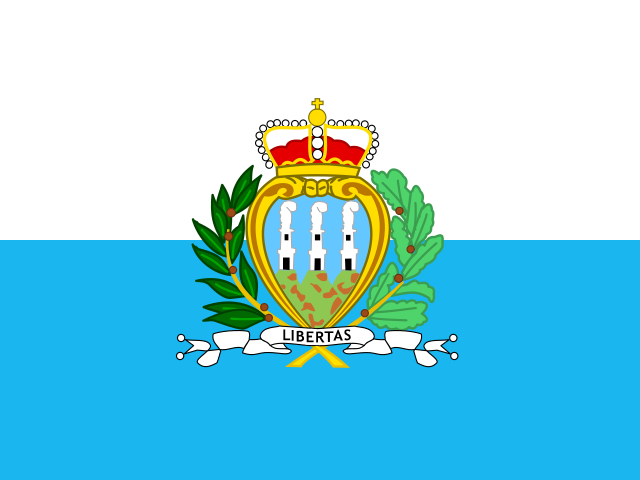 San Marino — capital: San Marino
By tradition it was founded in 301 by Marinus, a Christian stonemason, and is one of the world's oldest republics.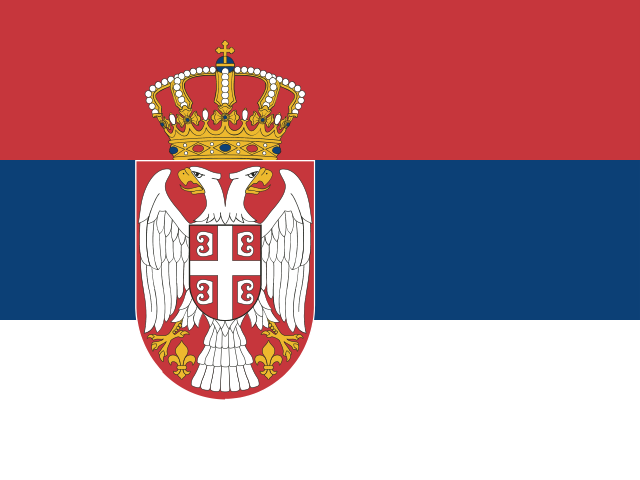
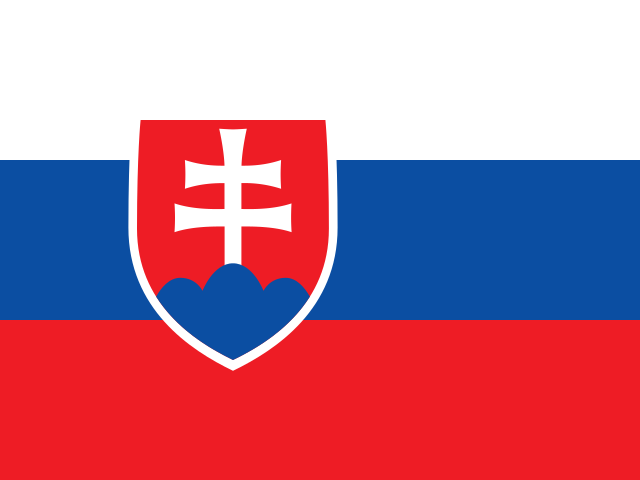 Slovakia — capital: Bratislava
Bratislava is the only national capital that borders two other countries, Austria and Hungary.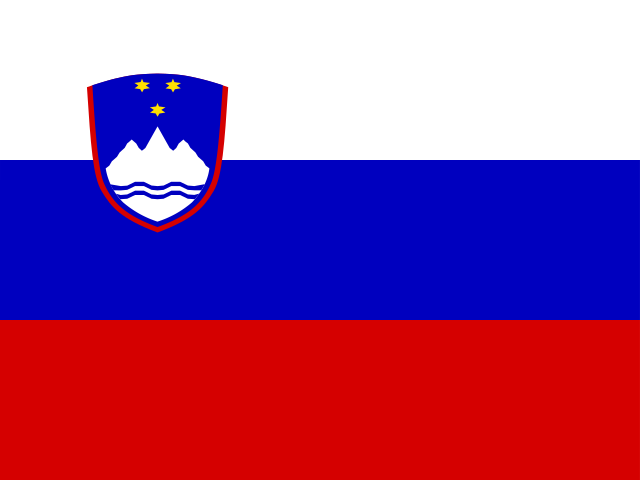 Slovenia — capital: Ljubljana
Postojna Cave has over 20 km of passages and shelters the olm, a blind amphibian nicknamed the human fish.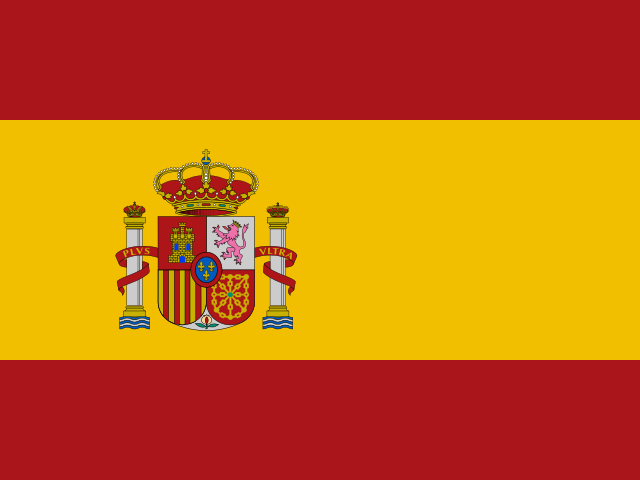 Spain — capital: Madrid
Every August, the town of Buñol is flooded with tomatoes for La Tomatina, a giant food fight.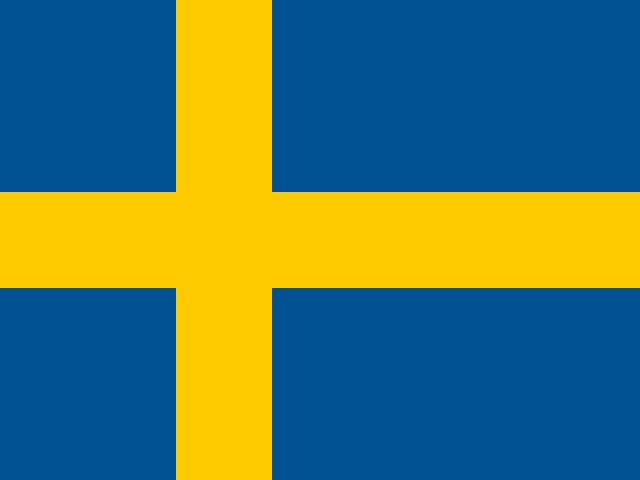 Sweden — capital: Stockholm
The Nobel Prizes, except the Peace Prize, are awarded in Stockholm every December 10.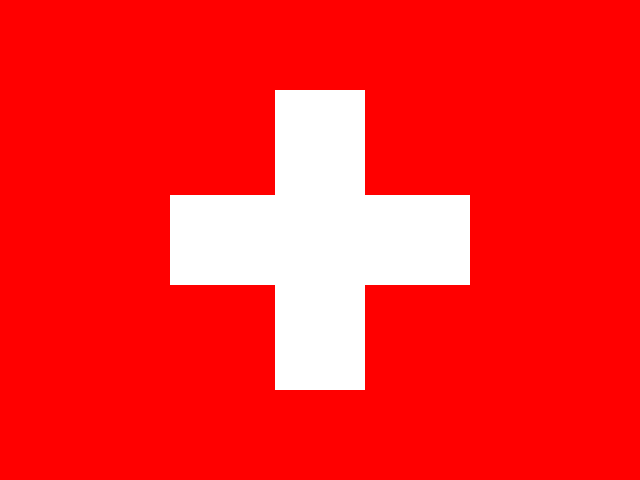 Switzerland — capital: Bern
Switzerland has four national languages: German, French, Italian and Romansh.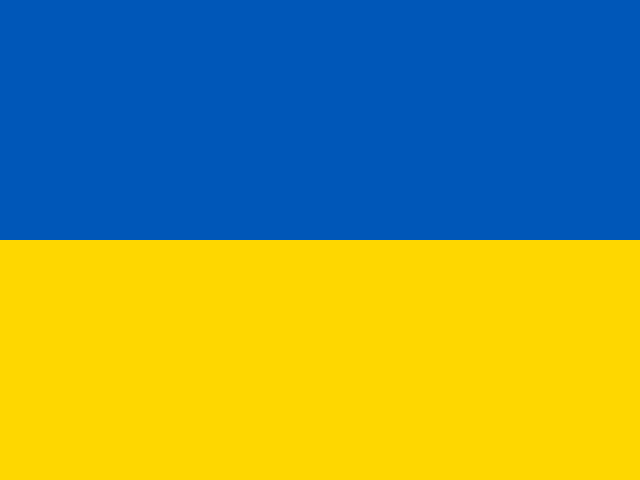 Ukraine — capital: Kyiv
Dark, fertile chernozem soil covers much of the country, and the flag evokes wheat under a blue sky.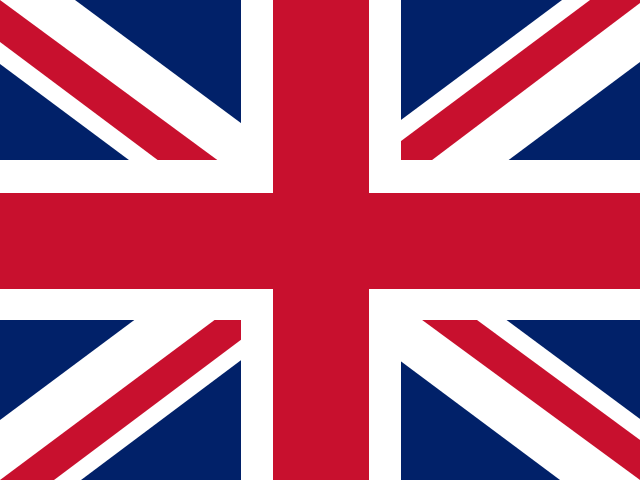 United Kingdom — capital: London
Big Ben is the name of the bell, not the tower, which is now called the Elizabeth Tower.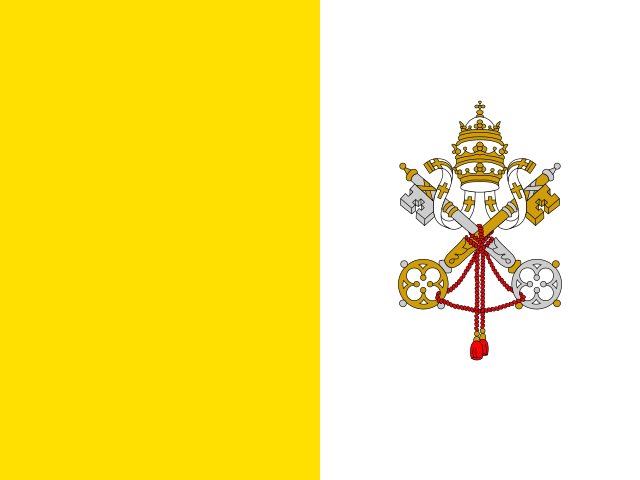 Vatican City — capital: Vatican City
At about 0.44 square kilometers, it is the world's smallest country, entirely inside Rome.
Frequently asked questions
How many countries are in Europe?
GeoSilhueta lists 44 countries in Europe.
What is the largest country in Europe?
Russia is the largest by area, at 17,098,246 km².